
Navigating Mental Health: A Guide to Neuro Wellness

In today’s fast-paced world, where stress and anxiety are prevalent, taking care of our mental health is more important than ever. While physical health often takes center stage, neglecting our neurological well-being can have significant consequences on our overall health and quality of life. In this blog post, we’ll explore the importance of neuro wellness and share practical tips for maintaining a healthy mind.

Understanding Neuro Wellness

Neuro wellness refers to the holistic approach of caring for and optimizing the health of our nervous system, which includes the brain and spinal cord. A healthy nervous system is crucial for regulating bodily functions, processing information, and controlling emotions. When our neurological health is compromised, it can lead to various mental health disorders such as anxiety, depression, and cognitive decline.

Tips for Neuro Wellness :

  1. Prioritize Sleep: Adequate sleep is essential for brain function and emotional well-being. Aim for 7-9 hours of quality sleep each night to allow your brain to recharge and repair.
  1. Healthy Diet: Fuel your brain with a balanced diet rich in fruits, vegetables, whole grains, lean proteins, and healthy fats. Omega-3 fatty acids found in fish, flaxseeds, and walnuts are particularly beneficial for brain health.
  1. Regular Exercise: Physical activity has numerous benefits for the brain, including improved mood, reduced stress, and enhanced cognitive function. Aim for at least 30 minutes of moderate exercise most days of the week.
  1. Stress Management: Chronic stress can take a toll on the brain and contribute to mental health problems. Practice stress-reduction techniques such as deep breathing, meditation, yoga, or spending time in nature.
  1. Stay Socially Connected: Human connection is essential for emotional well-being. Make time for meaningful interactions with friends and family, whether in person or virtually.
  1. Mindfulness and Meditation: Incorporate mindfulness practices into your daily routine to cultivate awareness, reduce rumination, and promote emotional resilience.
  1. Seek Professional Help:If you’re struggling with mental health issues, don’t hesitate to seek support from a qualified mental health professional. Therapy, counseling, or medication may be necessary for managing certain conditions.

 Conclusion:

Prioritizing neuro wellness is essential for leading a fulfilling and balanced life. By incorporating these tips into your daily routine, you can support your brain health and emotional well-being. Remember, taking care of your mental health is not selfish – it’s a necessary investment in yourself and your future.

Unlocking Mobility: A Guide to Orthopedic Health

Introduction:

Orthopedic health plays a vital role in maintaining overall well-being, yet it’s often overlooked until problems arise. Whether you’re an athlete, a busy professional, or a retiree enjoying your golden years, taking care of your musculoskeletal system is essential for staying active and pain-free. In this blog post, we’ll delve into the importance of orthopedic health and share practical tips for keeping your bones, joints, and muscles strong and resilient.

Understanding Orthopedic Health:

Orthopedic health refers to the condition and function of the musculoskeletal system, which includes bones, joints, muscles, ligaments, tendons, and cartilage. A healthy musculoskeletal system allows us to move freely, perform daily activities, and participate in sports and recreational activities without pain or limitations.

Tips for Maintaining Orthopedic Health:

  1. Stay Active: Regular physical activity is crucial for maintaining strong bones, flexible joints, and healthy muscles. Incorporate a variety of exercises into your routine, including aerobic exercise, strength training, flexibility exercises, and balance exercises.
  2. Practice Good Posture: Poor posture can strain your muscles and joints, leading to pain and discomfort. Be mindful of your posture throughout the day, whether sitting, standing, or walking. Use ergonomic furniture and equipment to support proper alignment.
  3. Eat a Nutrient-Rich Diet: A well-balanced diet rich in essential nutrients, including calcium, vitamin D, protein, and antioxidants, supports bone health and tissue repair. Include a variety of fruits, vegetables, whole grains, lean proteins, and dairy or dairy alternatives in your meals.
  4. Maintain a Healthy Weight: Excess weight puts added stress on your joints, particularly weight-bearing joints like the knees, hips, and spine. Maintain a healthy weight through a combination of regular exercise and a nutritious diet to reduce the risk of orthopedic problems.
  5. Protect Your Joints: Wear appropriate protective gear during sports and recreational activities to prevent injuries. Use proper lifting techniques and avoid repetitive movements that can strain your joints.
  6. Listen to Your Body: Pay attention to any signs of pain, discomfort, or stiffness in your muscles or joints. Don’t ignore persistent symptoms – consult a healthcare professional for evaluation and treatment.
  7. Prioritize Recovery: Allow your body adequate time to rest and recover after intense physical activity or injury. Incorporate rest days into your exercise routine, practice relaxation techniques, and prioritize quality sleep to support tissue repair and regeneration.

Conclusion:

Investing in your orthopedic health is an investment in your overall quality of life. By following these tips and prioritizing preventive care, you can enjoy improved mobility, reduced pain, and enhanced physical function well into the future.

Nourishing Your Health: The Power of Nutraceuticals

Introduction: In this blog post, we’ll explore the fascinating world of nutraceuticals and how they can support your overall well-being.

Understanding Nutraceuticals:

Nutraceuticals are bioactive compounds derived from natural sources, such as plants, herbs, and marine organisms, that offer medicinal or health-promoting benefits beyond basic nutrition. These compounds can include vitamins, minerals, antioxidants, probiotics, herbal extracts, and other dietary supplements.

The Power of Nutraceuticals:

  1. Enhancing Nutrient Intake: Nutraceuticals provide a convenient and effective way to supplement your diet with essential nutrients that may be lacking in your daily meals. For example, vitamin D supplements can help bridge the gap for individuals with limited sun exposure, while omega-3 fatty acids support heart and brain health.
  1. Supporting Immune Function: Certain nutraceuticals, such as vitamin C, zinc, and echinacea, have immune-boosting properties that help strengthen your body’s natural defense mechanisms. Regular consumption of these supplements may reduce the risk of infections and promote faster recovery from illness.
  1. Promoting Digestive Health: Probiotics, which are beneficial bacteria found in certain foods and supplements, play a crucial role in maintaining a healthy gut microbiome. By supporting digestive function and balancing intestinal flora, probiotics can alleviate symptoms of gastrointestinal disorders and improve overall gut health.
  1. Protecting Against Oxidative Stress: Antioxidants, such as vitamin E, vitamin C, and resveratrol, help neutralize harmful free radicals in the body and protect cells from oxidative damage. Incorporating antioxidant-rich nutraceuticals into your diet can help reduce the risk of chronic diseases and slow the aging process.
  1. Managing Chronic Conditions: Nutraceuticals have been studied for their potential therapeutic effects in managing various chronic conditions, including cardiovascular disease, diabetes, arthritis, and cognitive decline. While they should not replace conventional medical treatment, nutraceuticals can complement existing therapies and support overall health and well-being.

Choosing Quality Nutraceuticals:

When selecting nutraceutical products, it’s essential to choose high-quality supplements from reputable brands. Look for products that are tested for purity, potency, and safety by independent third-party organizations. Additionally, consult with a healthcare professional before starting any new supplement regimen, especially if you have underlying health conditions or are taking medications.

Conclusion:

Nutraceuticals offer a natural and holistic approach to promoting health and wellness. By incorporating these bioactive compounds into your daily routine, you can nourish your body, support your immune system, and enhance your overall quality of life. Remember to prioritize quality, consistency, and informed decision-making when choosing nutraceutical supplements for optimal results.

Harnessing the Healing Power of Therapeutic Interventions for Holistic Wellness

Introduction:

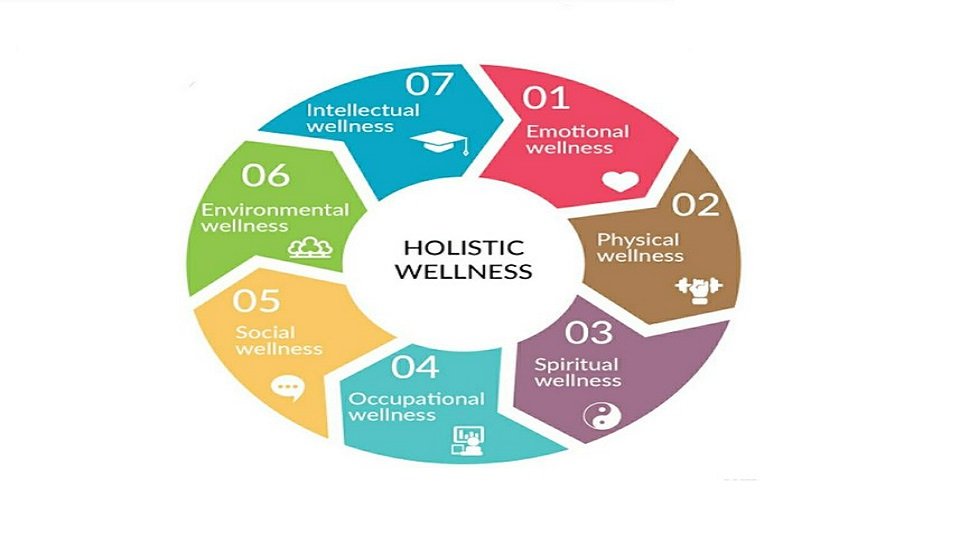
In the pursuit of holistic wellness, therapeutic interventions play a vital role in promoting physical, emotional, and mental well-being. Whether through traditional practices or modern techniques, therapy offers individuals a pathway to healing, growth, and self-discovery. In this blog post, we’ll explore the diverse landscape of therapeutic interventions and their profound impact on overall health.

Understanding Therapeutic Interventions:

Therapeutic interventions encompass a wide range of techniques and approaches aimed at addressing various physical, emotional, and psychological issues. These interventions can be categorized into different modalities, including:

  1. Psychotherapy: Psychotherapy, also known as talk therapy, involves conversations between a trained therapist and an individual or group. It aims to explore thoughts, emotions, and behaviors to promote self-awareness, insight, and coping skills. Common types of psychotherapy include cognitive-behavioral therapy (CBT), psychodynamic therapy, and mindfulness-based therapy.
  1. Physical Therapy: Physical therapy focuses on restoring movement, function, and mobility in individuals with musculoskeletal injuries, chronic pain, or mobility impairments. Through targeted exercises, manual techniques, and modalities like heat and cold therapy, physical therapists help patients improve strength, flexibility, and range of motion while reducing pain and discomfort.
  1. Occupational Therapy: Occupational therapy addresses challenges related to daily activities, self-care, and productivity. Occupational therapists work with individuals of all ages to develop skills, adapt environments, and use assistive devices that enable independent living and participation in meaningful activities.
  1. Alternative Therapies: Alternative therapies encompass non-conventional approaches to healing, such as acupuncture, chiropractic care, massage therapy, and aromatherapy. These modalities focus on restoring balance, promoting relaxation, and supporting the body’s natural healing processes.
  1. Integrative Medicine: Integrative medicine combines conventional medical treatments with complementary and alternative therapies to address the physical, emotional, and spiritual aspects of health. By incorporating multiple modalities, integrative medicine seeks to optimize health outcomes and enhance overall well-being.

The Benefits of Therapeutic Interventions:

  1. Pain Management: Therapeutic interventions like physical therapy, acupuncture, and massage therapy can effectively alleviate acute and chronic pain conditions, such as back pain, arthritis, and migraines, without the need for medication or surgery.
  1. Stress Reduction: Psychotherapy, mindfulness-based practices, and relaxation techniques help individuals manage stress, anxiety, and depression by promoting relaxation, emotional regulation, and resilience.
  1. Improved Functionality: Occupational therapy and physical therapy empower individuals to regain independence, improve functional abilities, and enhance quality of life following injury, illness, or disability.
  1. Enhanced Mental Health: Psychotherapy and counseling provide a safe and supportive space for individuals to explore and address underlying emotional issues, trauma, or mental health disorders.
  1. Holistic Wellness: Integrative approaches to therapy consider the interconnectedness of mind, body, and spirit, promoting overall health, vitality, and balance.

In conclusion, therapeutic interventions offer a multifaceted approach to healing and wellness, addressing the diverse needs of individuals across the lifespan. Whether seeking relief from physical pain, emotional distress, or existential questions, therapy provides a pathway to healing, growth, and transformation.

Let's Chat